Chemical industry

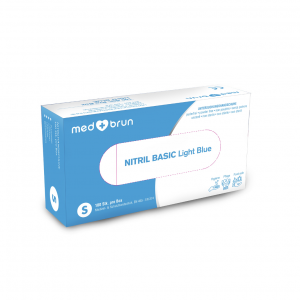
Work in the chemical industry poses a significant health risk. Contact with substances used in the manufacture of medicines, plastics or cosmetics – especially at high concentrations – may be harmful to employees. It is therefore absolutely necessary to wear personal protective equipment, including gloves. They not only reduce the risk of transmitting harmful chemicals to the hands, but also prevent them from coming into contact with mucous membranes and the eyes.

Gloves intended for the chemical industry must have high barrier properties, which are measured by the AQL. It indicates the number of micro-holes in the material – the lower its value, the better impermeability and protection provided by the raw material. Gloves must be appropriate for the substances that we may come into contact with during daily work – they must not dissolve or damage the material.

WHAT TO PAY ATTENTION TO?

It is worth paying attention to the external surface of the gloves – a texture or knurled pattern can be helpful, as they provide a secure grip in any environment, including in wet conditions. The inner layer should offer full comfort at work, high tactile sensitivity and easy donning. Another important point is to protect sensitive parts of the fingers when working with machines and other potentially dangerous equipment – this is provided by thicker material.

POWDERED OR POWDER-FREE?

A common condition of people working in the chemical industry is occupational contact dermatitis, which is the result of prolonged contact with irritant substances, including alcohols, solvents, petroleum derivatives and coolants. People with such tendencies should choose powder-free gloves that minimise the risk of irritation and allergy.

Leave a Reply

Your email address will not be published.

This site uses cookies to offer you a better browsing experience. By browsing this website, you agree to our use of cookies.