Hospital pharmacies specialise in the preparation of formula drugs, including antibiotics in daily doses, solutions for haemodialysis and peritoneal dialysis, enteral and parenteral feeding formulas, and infusion fluids.
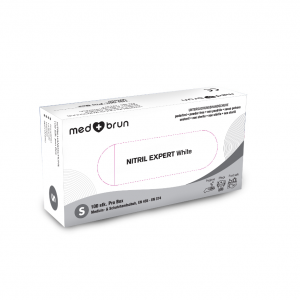
Drug preparation requires contact with chemicals, cytostatics and other intermediates that may have adverse effects on staff health. Direct contact with such substances requires the use of certified personal protective equipment. When selecting disposable gloves, check that they conform to the ASTM D6978 standard, which deals with resistance of materials to permeation by chemicals.
Everyday work in the hospital pharmacy requires accuracy and hygienic conditions to ensure that the medicines prepared are not contaminated. The presence of bacteria or viruses could affect their action, and consequently the effectiveness of treatment. Due to high hygiene standards, single-use gloves should be used in hospital pharmacies, including sterile gloves. It is also important to ensure that staff are adequately protected against accidental contact with harmful substances. In these situations, a perfect solution are gloves with extended cuffs to protect the hands, wrists and forearms.
To avoid accidental splashes or slipping of objects in the hand, wear proper gloves. The feeling of comfort and precision is especially important when measuring intermediates. It is recommended that you choose the correct size as well as the material that will provide a secure grip and keep the skin on your hands healthy.
Persons who work constantly in gloves very often acquire allergy to the natural raw material, which is latex. Sensitisation can cause discomfort and inconvenience at work. Gloves made of synthetic materials such as nitrile and neoprene are an excellent alternative for persons with increased sensitivity to natural rubber latex.

Deutsch
Français
Italiano